
By Stephen Buller
Here on Vashon, as the weather changes faster than Superman in a phone booth, swinging wildly from blue skies to downpours multiple times a week, I try to keep my focus on the silver lining: Summer is right around the corner. Maybe sunshine brings out the optimist in me.
Summer means many things in this part of the world – among them, long days, late nights, barbecues, festivals, and tourism. If you’re a Vashon resident, you know the streets will get busier, and the faces of drivers at four-way stops will take on the look of someone trying to recall rules from driver’s education decades past.
If you’re a business owner, hopefully your sales get busier, too. But whether you’re running a business or patronizing one, you’re likely interested in saving money, and you can do this by intentionally choosing your payment method at checkout.
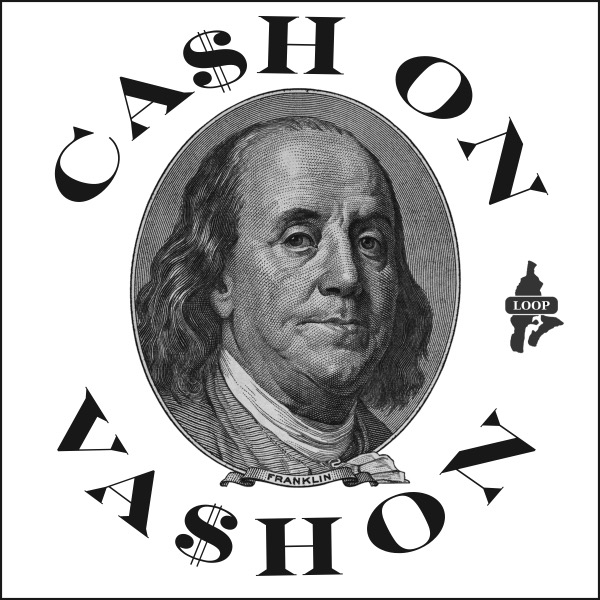
Nearly three years ago, I wrote an article “Is Free Money Free?” about the “Cash On Vashon” movement which aimed to increase cash transactions with local businesses to decrease their processing fees. With “busy season” here for many, as well as changes in the monetary landscape reinforcing these benefits, it’s past time we revisit the concept.
In my previous article, I wanted to draw Vashon shoppers’ attention to the cost of credit card processing and encourage them to use cash with local businesses, while reserving their credit card rewards for Amazon and other large retailers. Using cash has other benefits, including helping shoppers to budget, reducing the likelihood of impulse purchases, and avoiding late fees and interest.
Things have changed over the past three years. Buyers are more aware of processing fees and that the cost always falls on the consumer. Sellers have had more time to weigh the costs and benefits of accepting cards as payment. And both of them have seen everything get more expensive.
From the buyer’s perspective, think about the business you’re patronizing and consider simply asking if they prefer cash over card. You might be the kind of person who tips 20% without thinking but gets hung up on a 2% cash-back reward because of all the hype the banks have created around it.
From the seller’s perspective, consider incentivizing customers to use cash with a discount, which may be more compelling than adding a fee for using a card. More and more businesses are offering a 3% (or other) discount when someone pays by cash or check. This creates a positive reason for customers to change their behavior, instead of making them feel like you’re charging more.
From a banker’s perspective, they want people to use credit cards because they make money from it. Even the most diligent and responsible among us have received a late fee and interest expense. A product doesn’t sustain for this long if it doesn’t earn a profit.
From an accountant’s perspective, there is no free lunch. Every cost must be paid by someone, and in business, the final cost falls on the consumer, whether we’re talking processing fees, tariffs, energy costs, or any other input. The Fed may be able to create infinite dollars, but they can’t print prosperity.
The original value of the credit card was its convenience – a clever technology small enough to fit in a wallet which effectively granted the average consumer a line of credit at any store that accepted the card. When you think about it, that was a huge value add to consumers who didn’t have to carry around large amounts of cash or build credit with individual stores. And the banks charged enough fees and interest to cover unpaid balances and still earn a profit.
But I would argue the rewards programs were a net negative to society, adding nothing of value while adding administrative and technology costs to manage them. In the short term, one individual might earn more rewards than another, but these programs simply shift expenses from people with rewards to those without. In the long run, they increase overall costs to everyone. These programs were marketing campaigns for the benefit of the banks.
As someone who believes there is a lot wrong with our banking and entire monetary system, I encourage everyone, owner and consumer, to think more about the value of a product, where they want their money to go, and the method of payment they choose to give or accept. Especially when we have Strawberry Festival to look forward to.
