
By Anthony Latora
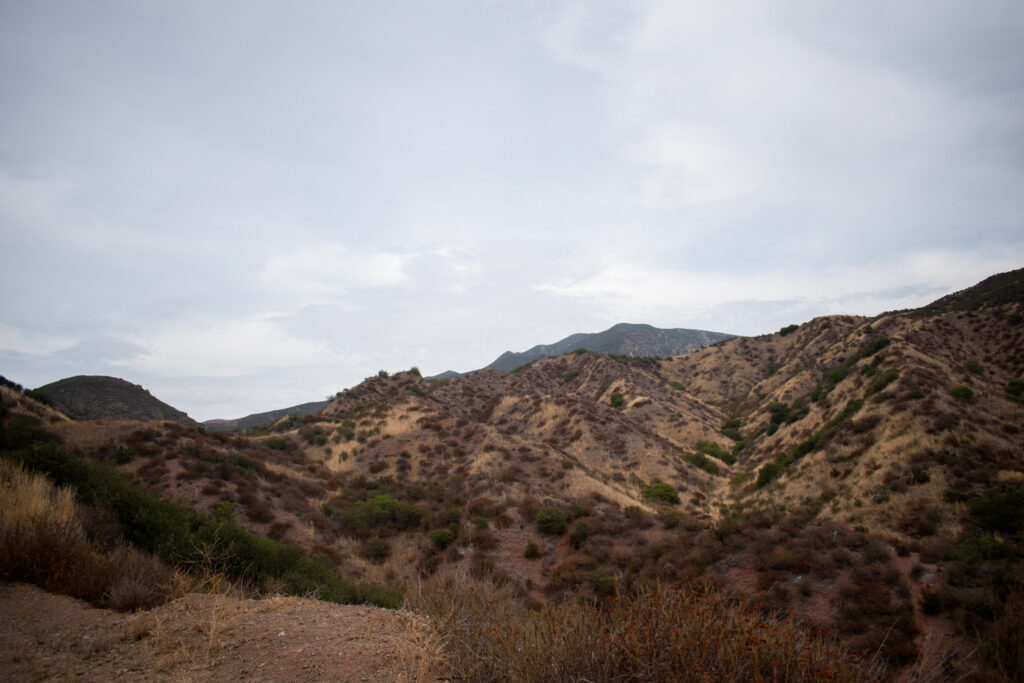
As I prepared to move to New Mexico in June of 2016, I searched for an herbal book about the local plants I might encounter. After a bit of digging, I settled on “Medicinal Plants of the Mountain West” by Michael Moore. Little did I know that moving to New Mexico and studying this book would lead me to places I couldn’t have imagined while living in cozy Southern California.
Those first steps into herbalism shaped who I’ve become today. In the spirit of the proverb often attributed to Lao Tzu, “The journey of a thousand miles begins beneath your feet,” the journey of herbalism begins right where you are.
Not all of us live in – or frequently visit – forests, deserts, river valleys, or mountains, and that can make this idea feel out of reach. But if you take a look around – local parks, gardens, or even your backyard, if you’re lucky enough to have one – you may be surprised to find plants that have long been used as medicine, food, tools, and textiles. What grows around you is enough to begin with, and cultivating a relationship with those plants may itself be part of the healing that is sought.
Plants survive and thrive in specific environments based on their needs. Just as it would be difficult to find a saguaro cactus in a marsh, it would be challenging to find devil’s club in a desert. These plants are deeply adapted to their environments, producing phytochemicals that help them meet the challenges of their landscape while working with what the land provides. When observed more closely, we begin to see that plants carry medicine that supports their survival – and those same qualities can often support balance within our own inner terrain.
As I settled into the high desert of New Mexico, I began cultivating relationships with the plants around me. Some were familiar – nettle, dandelion, peppermint. Others, like sagebrush, yellow coneflower, vervain, and burdock, caught my attention.
“Why does everyone despise burdock?” I remember wondering. Despite the effort it took to dig up, it quickly became one of my favorites – not only for tea, but also eaten raw or pickled. Later, I understood part of its reputation: the burrs cling stubbornly to fur. One of our dogs, Mo, once came back completely covered, the burrs embedded deep in her coat. What an effective way to disperse seeds.
And so I went – walking, hiking, observing. I took pictures of plants I encountered and flipped through my field guide, trying to match what I saw. Once I felt confident in an identification, I would harvest small amounts and begin experimenting. In the dry desert air, plants dried quickly, and within days I was making teas, tinctures, and other preparations. My first tinctures came from those local plants, and slowly, my small apothecary began to grow.
Like anything worth learning, I wasn’t good at herbalism at first. I made terrible-tasting teas, botched tinctures, messy salves, and questionable ferments. But those mistakes were my teachers. Over time, things began to shift – teas tasted better without needing loads of honey, tinctures became clearer and smoother, salves less chaotic, and herbal wines actually began to resemble wine.
The trial and error started to pay off, and with it, the seed of herbalism was nurtured, and the tree began to grow.
For anyone just beginning their journey, hearing the stories of other herbalists can be a source of inspiration and guidance. I want to share that I am very much still on this path myself, which unfolds with each passing day and season. My curiosity and intuition lead the way, and while the lessons don’t always make sense at first, their purpose reveals itself in time.
This is my personal invitation to you. I’ll share from my own experiences learning herbalism, hoping to inspire you to start or deepen your own journey. We’ll explore the core concepts that shape my understanding of plant intelligence, ecological awareness, cosmic influences, and the profound, innate healing potential of the human body that plants so generously support.
